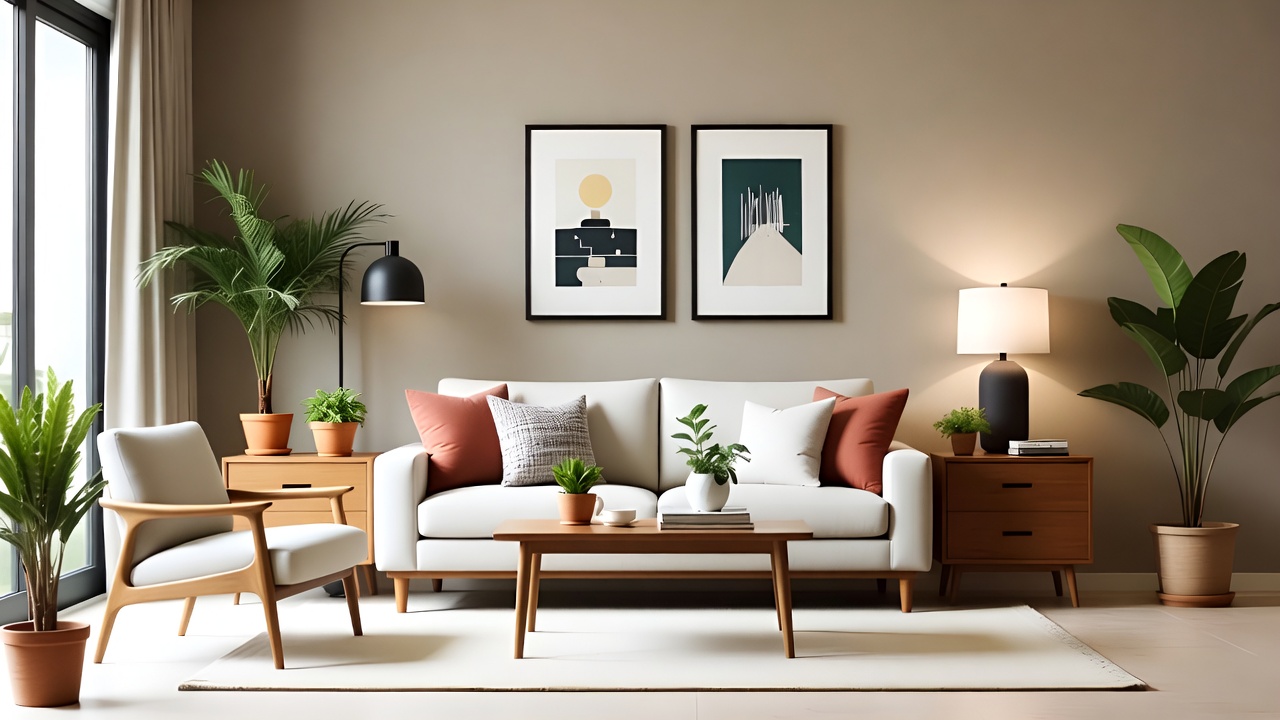
Eh, you know how it is, right? Coming home after a long day at the office and OT, that squeeze on the MRT… all you want is to sink into a space that feels like a warm hug. But sometimes, your HDB or condo just… doesn't. That's where good interior design comes in, lah! It's not just about looking pretty, it's about making your space work *for* you, so you can finally relax and recharge. And if you're thinking about giving your home a little (or big!) makeover, one thing you *confirm* need to keep an eye on is your material costs. Let's talk about that, steady?
Okay, let's be real. Renovating in Singapore can feel like navigating a maze, especially when it comes to the budget. You see all these beautiful designs online, but then the reality of material costs hits you like a ton of bricks. That's why tracking every single cent is crucial, especially when you are looking for the best commercial interior design firms singapore. Think of it like this: interior design is the art and science of planning and designing interior environments to enhance functionality, aesthetics, health, safety, and the overall human experience within a space. But without a handle on your budget, that art can quickly turn into a stressful science experiment gone wrong!
First things first, it helps you stay within your budget. Nobody wants to start a renovation project all excited, only to realize halfway through that they've run out of money. Imagine choosing that gorgeous sofa, then having to return it because you overspent on tiles. Sian, right? By carefully tracking the cost of everything from paint to that dream sofa Singapore, you can make informed decisions and avoid nasty surprises. Plus, tracking helps you compare quotes from different contractors and suppliers. You might find that one supplier is offering a better deal on kitchen renovation ideas materials, or that a particular contractor has a more efficient way of sourcing things. This allows you to negotiate better prices and save money in the long run.
And speaking of contractors, tracking material costs keeps them accountable. When you have a clear record of what things *should* cost, it's easier to spot any discrepancies or overcharging. Transparency is key, especially when you're dealing with a big project. Think of it as your own personal safeguard against getting overcharged. One homeowner shared how connecting with the right designer via a platform like Wondrous La Vie helped them understand the breakdown of costs, making the whole process feel much more trustworthy. They were able to turn their cramped HDB living room into a cosy family hangout – suddenly weekends feel so much better! So, tracking material costs isn't just about saving money; it's about having peace of mind throughout the entire renovation journey. It's about turning your house into a home, without the financial stress.
Alright, so you know *why* tracking material costs is important. Now, let's talk about *how* to actually do it. Don't worry, you don't need to be an accountant or anything! There are plenty of user-friendly tools and methods to help you stay organized. Let's start with spreadsheets. Yes, it might sound a bit old-school, but a simple spreadsheet can be incredibly effective. You can create columns for each material (e.g., tiles, paint, mattress, living room furniture), the quantity needed, the unit cost, and the total cost. Add columns for supplier quotes and actual costs, and you've got a powerful tracking tool right there. I've heard so many friends in the group chat complain about the same thing: not having a clear overview of where their money is going.
There are also many apps and software designed specifically for home renovation projects. These apps often come with features like budget tracking, cost estimation, and even project management tools. Some popular options include apps that let you upload photos of receipts, track expenses by category, and generate reports. It's like having a personal assistant for your renovation project! Plus, many of these apps allow you to share the information with your contractor, making communication much smoother. But don't just rely on digital tools alone. Keep physical records of everything, too. This means saving receipts, invoices, and any other documentation related to material purchases. Trust me, it's better to be safe than sorry. You never know when you might need to refer back to something. Imagine having a dispute with a supplier and not being able to find the original invoice. Sian, right?
Finally, make sure to update your tracking system regularly. Don't wait until the end of the week or month to enter your expenses. Do it as you go along, so you don't forget anything. Set aside a few minutes each day to update your spreadsheet or app. This will help you stay on top of your budget and avoid any surprises. One of the best things you can do is to use a platform like Wondrous La Vie. Singapore's pioneering interior design and home furnishing platform connects you to top interior designers and curated premium furniture brands, including sofas, mattresses, living room sets, bedroom furniture, kitchen solutions and more. This can help streamline the entire process, making it easier to track costs and stay within budget.
Now, let's talk about the big picture: interior project management. It's not just about tracking material costs; it's about managing the entire renovation process from start to finish. Think of it as the conductor of an orchestra, making sure all the different instruments (or in this case, contractors, suppliers, and materials) are working together in harmony. After a long day squeezing onto the MRT and grinding through meetings, most Singapore homeowners just want to return home to a space that feels welcoming and calm instead of piling on more fatigue. A cluttered living room or an uncomfortable bedroom can make chilling out even tougher, especially when the whole family hope to relax together. That’s where thoughtful interior design singapore really makes a difference—it turns everyday rooms like your living area, master bedroom, or kitchen into private sanctuaries that actually help you refresh your energy. With the right couch, mattress, or clever layout, suddenly walking through the door feels shiok lah, and thoughtful tweaks can bring massive difference to your mood and family time. Places like Wondrous La Vie make it simpler to find ideas and get in touch with interior designers who get the Singapore home vibe perfectly. This format lets you easily generate multiple SEO-optimised variations while keeping the core keyword "interior design" stable in the middle for strong on-page targeting.. In Singapore’s tight condo apartments and condos, the bedroom often doubles as a sanctuary— a place for deep relaxation after tiring office hours, catch up on reading, or even handle occasional remote work when required. It’s frequent for homeowners to feel frustrated by arrangements that seem too tight, harsh overhead lights, or cluttered cabinets taking up room, making the room feel more utilitarian than serene. That’s where thoughtful bed room design truly excels—it focuses on clever spatial solutions, calming colour palettes, space-saving furniture, and strategic lighting design to create a peaceful retreat that optimises relaxation while maintaining a clean, open feel. SUDDENLY the bedroom turns into the place you look forward to at the end of the day, helping you relax quicker, achieve better quality sleep, and wake up feeling more refreshed for tomorrow’s challenges. Resources like Wondrous La Vie feature abundant genuine homeowner transformations and straightforward links to professionals skilled in these practical yet beautiful Singapore-style bedroom makeovers.. Proper interior project management can save you time, money, and a whole lot of stress. One of the first things you need to do is create a detailed project plan. This includes defining the scope of the project, setting a budget, establishing a timeline, and identifying all the tasks that need to be completed. The more detailed your plan, the better prepared you'll be to handle any challenges that come your way. You need to define the project scope, set realistic timelines, allocate resources effectively, manage risks, and communicate clearly with all stakeholders.
Communication is key. Make sure you have clear and open communication with your contractor, suppliers, and anyone else involved in the project. This means regular meetings, updates, and prompt responses to any questions or concerns. Miscommunication can lead to delays, errors, and increased costs. Set up regular meetings with your contractor to discuss progress, address any issues, and make sure everyone is on the same page. Don't be afraid to ask questions and voice your concerns. Remember, it's your home, and you have the right to know what's going on. And of course, we can't forget about risk management. Renovations are notorious for unexpected problems, like hidden structural issues or delays in material delivery. Have a contingency plan in place to deal with these situations. This might mean setting aside extra money in your budget or having alternative suppliers lined up.
Platforms like Wondrous La Vie can be incredibly helpful in this area. As Singapore's go-to platform for connecting you to top commercial interior design firms singapore and curated furniture brands, they can help you find experienced designers and contractors who can manage your project effectively. They also offer inspiration through real project showcases, style guides, and easy ways to find matching designers or pieces. This can make the entire process much smoother and less stressful. It's really sian when your bedroom feels cluttered and your mattress is giving you backache after work, but with the right interior design ideas and comfy pieces, that sense of calm comes back stronger. Fun fact: A cosy, well-designed living room or bedroom can actually help you sleep better and feel less stressed after long workdays - small changes, big shiok difference!
Choosing the right interior designer is like finding the perfect dance partner. You need someone who understands your vision, communicates well, and can guide you through the entire renovation process. But with so many designers out there, how do you find the right one for you? First, define your style and budget. What kind of look are you going for? Modern minimalist? Cosy and rustic? Knowing your style preferences will help you narrow down your options. And of course, you need to have a realistic budget in mind. This will help you find a designer who can work within your financial constraints.
Do your research. Look online, ask for recommendations from friends and family, and check out the portfolios of different designers. See if their style aligns with yours and read reviews to get a sense of their reputation. Platforms like Wondrous La Vie make this process much easier. They showcase real project examples from top designers, allowing you to browse through different styles and find someone who matches your taste. They also offer easy ways to connect with designers and get quotes. Don't be afraid to interview multiple designers before making a decision. Ask them about their experience, their process, and their fees. Get a clear understanding of how they work and what you can expect from them. Communication is key. Choose a designer who is responsive, attentive, and easy to talk to. You'll be working closely with them throughout the renovation process, so it's important to have a good
Acoustic ceiling panels: Measuring sound absorption for optimal office comfortVerify contractor licenses before starting your Singapore renovation