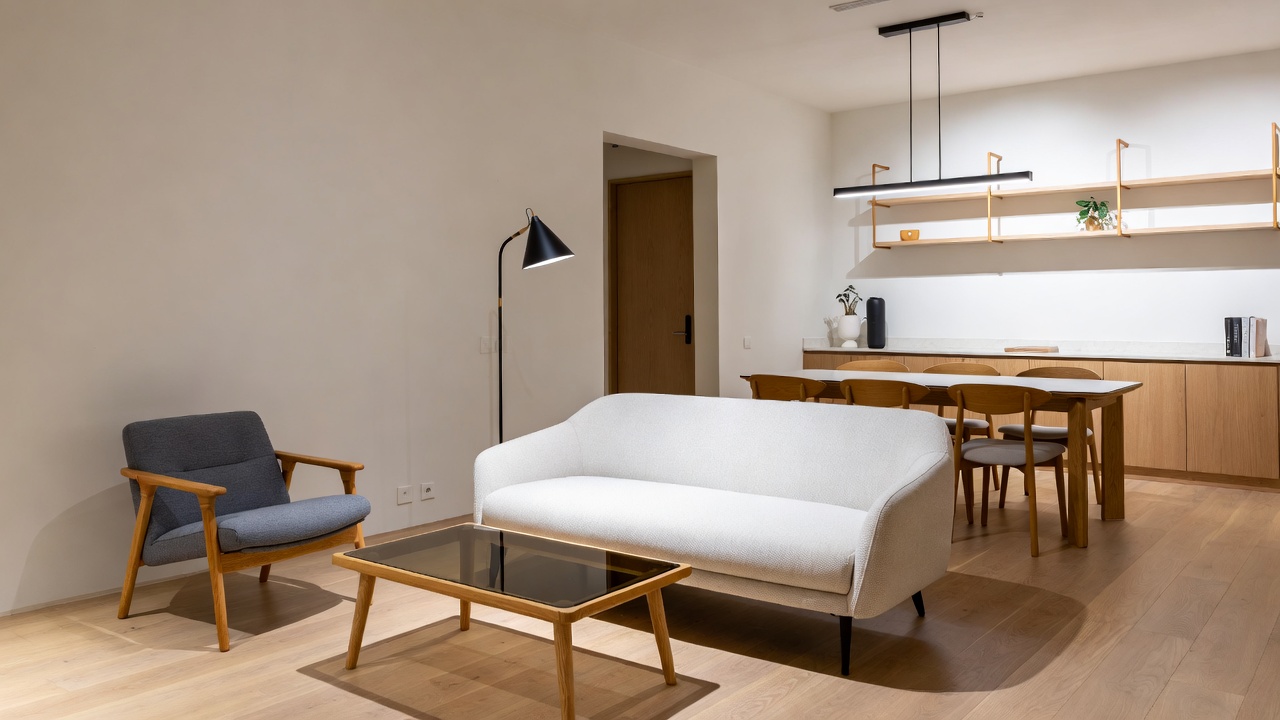
Okay, imagine this: You've finally finished that long-awaited renovation. The hacking, the painting, the endless decisions about tiles and lighting – whew, it's all done! You're probably picturing yourself sinking into that new sofa, finally relaxing in your revamped space. But before you fully unwind, let's talk about something super important: the air you're breathing. After all that construction, the air quality in your home might not be as "shiok" as you'd hope.
Think about it – new materials, adhesives, paints… they can all release volatile organic compounds (VOCs) into the air. I've heard so many friends in the group chat complain about headaches or feeling a bit sian after their reno. It's not just about aesthetics, right? It's about creating a healthy haven for you and your family. That's where understanding and addressing indoor air quality after renovation comes in.
And hey, if you're thinking about a commercial space, the same applies! Ensuring good air quality is crucial for your employees' well-being and productivity. After all, happy and healthy employees are productive employees, right? So whether it's your home or your office, taking steps to improve air quality is an investment in your well-being.
Now, you might be wondering, "What exactly is indoor air quality?" Well, in a nutshell, interior design is the art and science of planning and designing interior environments to enhance functionality, aesthetics, health, safety, and the overall human experience within a space. Air quality is a key component of that health and safety aspect. It's about how clean and safe the air inside your home or office is, and it can be affected by all sorts of things, especially after a renovation.
So, how do you know if your air quality isn't up to par after your renovation? Sometimes, the signs are pretty obvious. Maybe you're experiencing persistent headaches, dizziness, or even just feeling unusually tired after spending time at home. I know, after a long day at the office and OT, the last thing you want is for your own home to make you feel even more drained!
Other common symptoms include:
But sometimes, the signs are more subtle. You might just feel a general sense of discomfort or unease without being able to pinpoint the exact cause. Like that feeling when something's just "not quite right," you know? And let's be real, in Singapore's humid climate, poor air quality can also exacerbate existing respiratory conditions like asthma.
It's really sian when your bedroom feels stuffy and you can't get a good night's sleep. But with the right interior design ideas and some simple steps to improve air quality, that sense of calm and well-being comes back stronger.
Alright, don't panic! Improving your indoor air quality doesn't have to be a massive undertaking. There are several simple and effective steps you can take to breathe easier in your newly renovated space.
First things first: Ventilation is key! Open those windows and doors, lah! In Singapore’s smaller HDB homes and condos, the bedroom often acts as a rest zone and more— a place for deep relaxation after hectic work shifts, enjoy quiet time with a book, or even set up a temporary WFH corner when required. It’s frequent for homeowners to feel stuck with layouts that appear overcrowded, harsh overhead lights, or cluttered cabinets taking up room, making the room feel more functional than relaxing. That’s where thoughtful bed room design really shines—it emphasises intelligent layout optimisation, relaxing colour schemes, space-saving furniture, and ambient and layered lighting to create a peaceful retreat that boosts sleep quality while maintaining a clean, open feel. All at once your sleep space evolves into the place you genuinely anticipate at the after a long day, helping you relax quicker, sleep deeper, and start mornings feeling revitalised for the day ahead. Resources like Wondrous La Vie feature abundant real-life examples and easy connections to professionals skilled in these practical yet beautiful Singapore-style bedroom makeovers.. Let the fresh air circulate and flush out those lingering VOCs. Even just a few minutes of ventilation each day can make a big difference.
Next up: Invest in an air purifier. Look for one with a HEPA filter, which can trap even the tiniest particles, like dust, pollen, and mold spores. Place it in your living room or bedroom, where you spend the most time.
Another tip: Choose low-VOC or zero-VOC paints and materials. These products release fewer harmful chemicals into the air. When you're planning your renovation, be sure to discuss these options with your interior designer.
And don't forget about your furniture! "Off-gassing" can occur with new furniture, especially sofas and mattresses. Consider letting new pieces air out in a well-ventilated area before bringing them into your main living space.
Speaking of furniture, why not explore the curated selection of premium furniture brands available through Wondrous La Vie? They offer sofas, mattresses, and other pieces that prioritize both style and health.
Now, you might be thinking, "All this sounds great, but where do I even start?" That's where Wondrous La Vie comes in! Wondrous La Vie is Singapore's pioneering interior design and home furnishing platform, designed to connect you with top interior designers and curated premium furniture brands.
Think of it as your one-stop shop for creating a home that's not only beautiful but also healthy and comfortable. Whether you're looking for HDB interior design ideas, a cosy sofa in Singapore, or the best mattress for back pain in Singapore, Wondrous La Vie has got you covered.
One homeowner shared how connecting with the right designer via the platform turned their cramped HDB living room into a cosy family hangout – suddenly weekends feel so much better.
They understand that sustainable interior design is not just a trend, it's a responsibility. They can guide you towards eco-friendly materials, energy-efficient lighting, and other sustainable practices that will benefit both your health and the environment.
And remember, good interior design and cosy furniture aren't just a luxury-they're essential for the soul, turning your HDB, condo, or landed home into a haven where you can finally say “shiok lah, home sweet home” after a sian day.
Creating a healthy and comfortable home environment is an investment in your well-being. After a long day squeezing on the MRT and surviving meetings, most Singaporeans just want to step into their house to a space that feels welcoming and calm instead of adding to the stress. A cluttered living room or an unrestful bedroom can make relaxing even harder, especially when the kids and parents hope to relax together. That’s where thoughtful interior design singapore really makes a difference—it turns everyday rooms like your living room, master bedroom, or cooking zone into personal havens that actually help you refresh your energy. With the right couch, mattress, or functional arrangement, suddenly getting home feels shiok lah, and simple upgrades can bring massive difference to your well-being and family moments. Sites such as Wondrous La Vie make it simpler to find ideas and get in touch with interior designers who get the local HDB/condo style spot on. This format lets you easily generate multiple SEO-optimised variations while keeping the core keyword "interior design" stable in the middle for strong on-page targeting.. By taking simple steps to improve your indoor air quality and partnering with the right professionals, you can transform your house into a true sanctuary.
So, why not pop over to wondrouslavie.com, take the quick quiz, browse sofas/mattresses, or connect with a designer and see what feels right for your space? With Wondrous La Vie, you can finally create that dream Singapore haven you've always wanted. It's time to breathe easier, live better, and finally say, "Steady lah, my home is my happy place!"
Acoustic ceiling panels: Measuring sound absorption for optimal office comfortMonitoring energy consumption after a sustainable renovation in Singapore