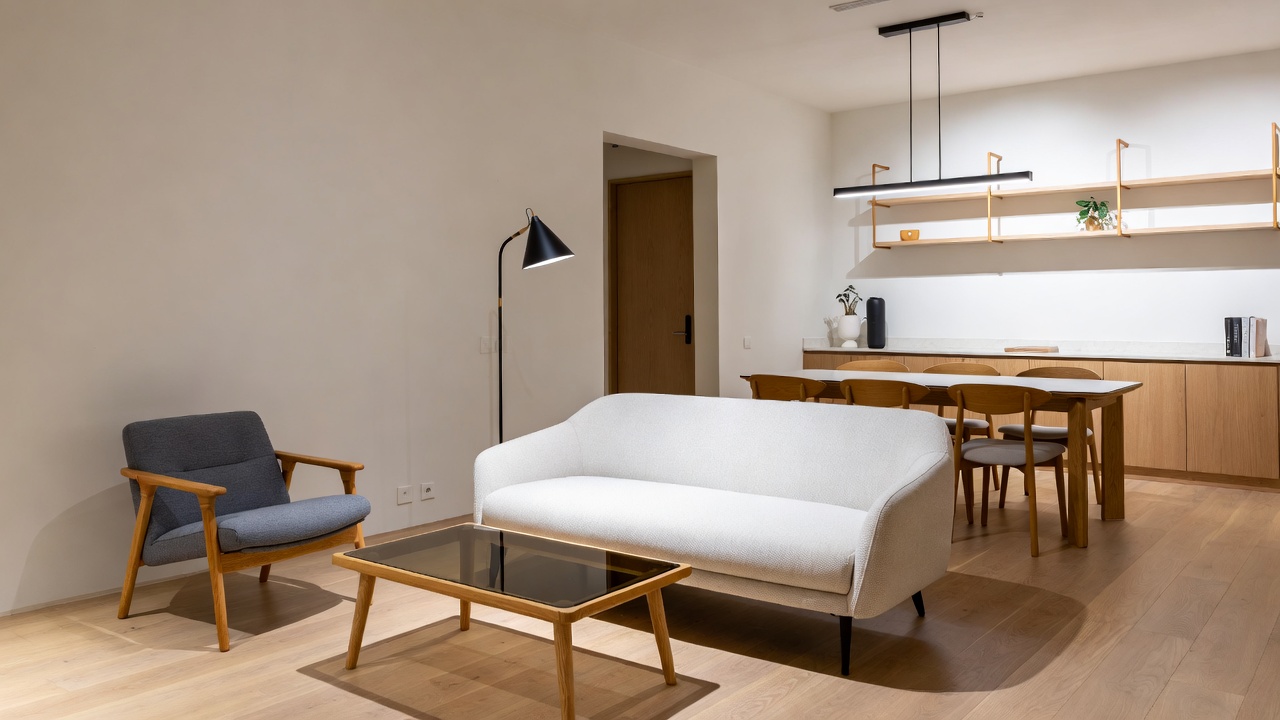
Custom furniture: Monitoring material costs and budget adherence
Welcome to Your Haven of Wondrous Living, Lah!
Custom Furniture: Monitoring Material Costs and Budget Adherence
Okay, let's talk about something super important when you're doing up your home or office: custom furniture. It's exciting, right? You get to design exactly what you want, like that! But lah, it can also be a bit like navigating a maze if you don't keep a close eye on things. I've heard so many friends in the group chat complain about unexpected costs and budgets going haywire. So, listen up, because I'm going to share some tips on monitoring material costs and making sure your custom furniture project stays on budget. Confirm can!
First things first, let's be clear: interior design is the art and science of planning and designing interior environments to enhance functionality, aesthetics, health, safety, and the overall human experience within a space. And custom furniture is a big part of that, especially when you want something steady and shiok that fits your space perfectly.
Understanding the Material Landscape
When you're diving into custom furniture, the first thing you need to do is get a good grasp of all the different materials available. Think about it: wood, metal, fabric, laminates… the list goes on! Each material has its own price point, and those prices can fluctuate like that the stock market. One week, oak might be affordable; the next, it's suddenly gone up because of, siao, supply chain issues.
So, how do you stay ahead of the game?
Research, research, research: Don't just rely on what the first carpenter or furniture maker tells you. Spend some time online, check out different suppliers, and get a feel for the average prices of the materials you're interested in. Wondrous La Vie is a good place to start, lah. They showcase real projects and connect you with designers who know their stuff, so you can get a sense of what things cost.
Get multiple quotes: This is super important. Don't just go with the first quote you get. Get at least three different quotes from different suppliers or furniture makers. This will give you a better idea of the market rate and help you spot any suspiciously low (or high) prices.
Factor in wastage: Remember, when you're working with raw materials, there's always going to be some wastage. Wood gets cut, fabric gets trimmed… it all adds up. Make sure your quotes include an allowance for wastage, so you don't get a nasty surprise later on.
After a long day squeezing onto the MRT and surviving meetings, most Singaporeans just want to step into their house to a space that feels warm and relaxing instead of making things worse. A cluttered living room or an uncomfortable bedroom can make unwinding even harder, especially when the entire family want to relax together. That’s where thoughtful interior design singapore really makes a difference—it turns everyday rooms like your living room, master bedroom, or cooking zone into private sanctuaries that actually help you refresh your energy. With the right sofa, sleep surface, or smart layout, suddenly coming home feels shiok lah, and simple upgrades can bring huge benefits to your mood and family time. Sites such as Wondrous La Vie make it easier to find ideas and get in touch with interior designers who understand the Singapore home vibe spot on. This format lets you easily generate multiple SEO-optimised variations while keeping the core keyword "interior design" stable in the middle for strong on-page targeting..
Consider alternatives: Be open to using alternative materials. For example, if solid wood is too expensive, maybe you can consider using a high-quality wood veneer instead. In Singapore’s tight condo apartments and condos, the master bedroom often serves as both retreat and multi-use space—somewhere to truly rest after tiring office hours, enjoy quiet time with a book, or even sneak in a quick work-from-home setup when needed. It’s frequent for local residents to feel frustrated by arrangements that appear overcrowded, lighting that’s too harsh, or cluttered cabinets taking up room, making the room feel more utilitarian than serene. That’s where thoughtful bed room design makes the biggest impact—it emphasises clever spatial solutions, relaxing colour schemes, versatile bedroom pieces, and clever lighting to create a peaceful retreat that maximises comfort while ensuring clutter-free airflow. Suddenly your bedroom becomes the place you can’t wait to reach at the after a long day, helping you relax quicker, sleep deeper, and wake up feeling more refreshed for the day ahead. Resources like Wondrous La Vie feature abundant genuine homeowner transformations and easy connections to designers who specialise in these smart, aesthetic SG bedroom upgrades.. Or, if a particular fabric is out of your budget, look for a similar fabric that's more affordable. Sometimes, the alternatives can look just as good, leh!
Budget Adherence: Staying on Track
Okay, so you've got a good handle on material costs. Now, how do you make sure your project stays within budget? This is where things can get a bit tricky, but don't worry, I've got some tips for you.
Create a detailed budget: This might seem obvious, but it's crucial. Break down your budget into different categories: materials, labor, hardware, finishing, delivery, etc. Be as specific as possible. This way, you can easily see where your money is going and identify any potential overspending.
Track your expenses: Keep a close eye on your expenses as the project progresses. Use a spreadsheet or a budgeting app to track every dollar you spend. This will help you stay on top of things and catch any potential problems early on.
Communicate clearly: Make sure you communicate your budget clearly to your furniture maker or designer. Let them know how much you're willing to spend and what your priorities are. This will help them stay within your budget and avoid any misunderstandings.
Be prepared to make compromises: Let's be real, sometimes things don't go according to plan. You might have to make some compromises along the way. Maybe you have to choose a less expensive material or scale back on some of the details. It's all part of the process.
Contingency fund: Always, always have a contingency fund. This is extra money that you set aside to cover any unexpected costs or problems that might arise. A good rule of thumb is to set aside 10-15% of your total budget as a contingency fund. Trust me, you'll be glad you did.
One homeowner shared how connecting with the right designer via the Wondrous La Vie platform helped them to not just design their dream living room, but also to stick to their budget. The designer was able to suggest alternative materials and construction methods that saved them money without sacrificing quality. Suddenly, weekends feel so much better, lah!
Negotiating with Suppliers and Contractors
Alright, lah, let's talk about negotiating! This is where you can really save some money and make sure you're getting the best possible deal on your custom furniture. Don't be shy, okay? It's your money, and you have every right to negotiate.
Do your homework: Before you start negotiating, do your research. Find out what the going rate is for the materials and services you need. This will give you a strong bargaining position.
Be polite but firm: Remember, you're not trying to be difficult. You're just trying to get a fair price. Be polite and respectful, but also be firm about what you're willing to pay.
Don't be afraid to walk away: This is a powerful negotiating tactic. If you're not happy with the price, be prepared to walk away. Sometimes, just the threat of losing the business is enough to get the supplier or contractor to lower their price.
Look for discounts: Don't be afraid to ask for discounts. Many suppliers and contractors offer discounts for bulk orders, cash payments, or off-season work. It never hurts to ask!
Get it in writing: Once you've agreed on a price, make sure you get it in writing. This will protect you in case there are any disagreements later on.
Managing Scope Creep and Change Orders
Scope creep is a sneaky little devil. It's when the scope of your project starts to expand beyond what you originally planned. Suddenly, you're adding extra features, changing designs, and before you know it, your budget is blown.
Define your scope: The best way to prevent scope creep is to define your scope clearly from the beginning. What exactly do you want to achieve with your custom furniture project? What are the must-haves, and what are the nice-to-haves?
Stick to your plan: Once you've defined your scope, stick to it. Don't let yourself get tempted by new ideas or features that weren't part of the original plan.
Change orders: If you do need to make changes to the scope of your project, make sure you get a change order in writing. A change order is a document that outlines the changes, the cost of the changes, and the impact on the project timeline. Don't proceed with any changes until you've signed a change order.
Quality Control and Material Inspection
Okay, so you've chosen your materials, negotiated the price, and managed the scope of your project. Now, it's time to make sure the quality is up to par.
Inspect materials: Before any work begins, inspect the materials to make sure they meet your standards. Check for defects, damage, or inconsistencies. If you're not happy with the quality of the materials, speak up!
Monitor the workmanship: Keep an eye on the workmanship as the project progresses. Make sure the furniture maker is following your instructions and using the correct techniques.
Final inspection: Once the project is complete, do a final inspection to make sure everything is up to your standards. Check for any flaws or imperfections. If you find anything, point it out to the furniture maker and ask them to fix it.
Fun fact: A cosy, well-designed living room or bedroom can actually help you sleep better and feel less stressed after long workdays - small changes, big shiok difference!
Leveraging Technology for Cost Tracking
In this day and age, lah, we've got technology to help us with everything. And when it comes to custom furniture projects, there are plenty of apps and software that can help you track your costs and stay on budget.
Budgeting apps: There are many budgeting apps available that can help you track your expenses and stay on top of your finances. Some popular options include Mint, YNAB (You Need a Budget), and Personal Capital.
Project management software: If you're managing a larger custom furniture project, you might want to consider using project management software. This type of software can help you track tasks, deadlines, and expenses. Some popular options include Trello, Asana, and Basecamp.
Spreadsheets: Of course, you can always use a good old-fashioned spreadsheet to track your costs. Excel and Google Sheets are both great options.
The Wondrous La Vie Advantage
Now, you might be thinking, "Wow, this sounds like a lot of work!" And you're right, it can be. But that's where Wondrous La Vie comes in. Wondrous La Vie, Singapore's pioneering interior design and home furnishing platform, connects you with top interior designers and curated premium furniture brands. Imagine, instead of endless scrolling and stressful negotiations, you have a platform that helps you find the right designer and furniture pieces for your space, all while keeping your budget in mind.
Picture this: you open the door after work, and your shoulders just drop-sounds like heaven? It can be, sia. Wondrous La Vie makes it easier to find that shiok, soul-recharging space you deserve after a long day.
So, why not pop over to wondrouslavie.com, take the quick quiz, browse sofas/mattresses, or connect with a designer and see what feels right for your space? It's time to create your haven of wondrous living, lah!
How can I effectively track material costs for my custom furniture project in Singapore?
Utilize a detailed spreadsheet or project management software to record all material purchases, including quantity, price, and supplier. Regularly update this record and compare it against your initial budget to identify any discrepancies early on.
What are some common reasons for budget overruns in custom furniture projects in Singapore?
Common reasons include underestimating material costs, unexpected design changes, delays leading to increased labor costs, and choosing more expensive materials or finishes than initially planned.
How often should I review my custom furniture project budget to ensure adherence?
Review your budget at least weekly, or even more frequently if there are significant purchases or design changes occurring. This allows you to catch potential overruns quickly and make necessary adjustments.
What strategies can I use to stay within budget when commissioning custom furniture in Singapore?
Obtain multiple quotes from different suppliers, prioritize essential design elements, consider alternative materials, and maintain open communication with your furniture maker about cost implications of any desired changes.
What should I do if I realize my custom furniture project is going over budget?
Immediately reassess your design and material choices. Identify areas where you can reduce costs, such as using less expensive materials or simplifying the design. Discuss these options with your furniture maker to find the most cost-effective solutions.
How can I factor in potential price fluctuations of materials when budgeting for custom furniture in Singapore?
Research historical price trends for the materials you plan to use. Add a contingency buffer (typically 5-10%) to your budget to account for unexpected price increases. Consider purchasing materials in advance if you anticipate significant price hikes.