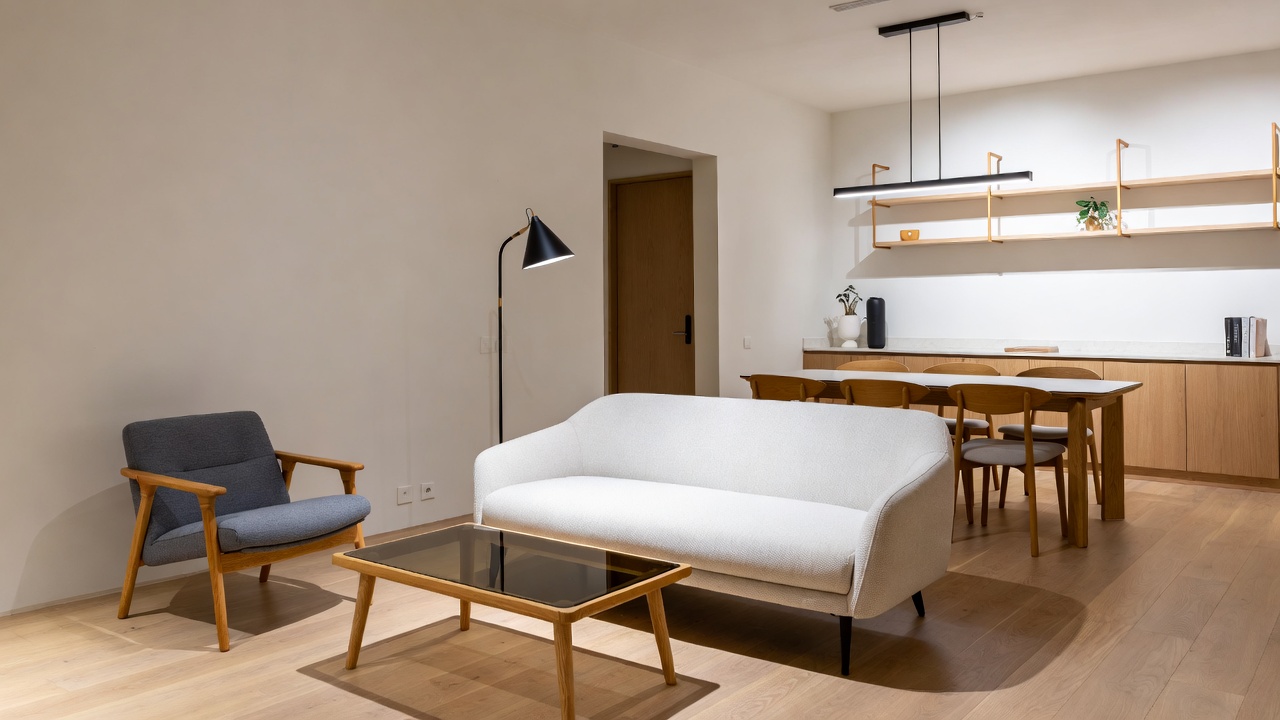
Eh, you know, after a long day at the office, squeezing onto the MRT, and battling the Singapore heat, all I want is to come home to a place that feels… well, *shiok*. Not just a house, but a haven. A place where you can finally unwind, recharge, and maybe, just maybe, forget about that mountain of work waiting for you tomorrow. But let's be real, sometimes our homes just don't cut it, right? They feel cluttered, cramped, and honestly, a little *sian*.
That's where the magic of interior design comes in, lah! It's not just about making things look pretty (though that's a definite bonus!). Interior design is the art and science of planning and designing interior environments to enhance functionality, aesthetics, health, safety, and the overall human experience within a space. It's about creating a space that works for you, supports your well-being, and makes you feel genuinely happy to be home. And these days, we are also thinking about how our choices impact the environment, right?
Okay, let's talk about something important: how our choices affect Mother Earth. These days, we can't just think about making our homes look good; we also need to think about making them *green* good. It's about being responsible and creating a space that's not only beautiful but also sustainable. Choosing eco-friendly materials, like bamboo flooring or recycled glass countertops, is a great start. These materials are not only stylish but also reduce your environmental footprint. It's a win-win situation!
And it's not just about the materials themselves; it's also about where they come from. Opting for locally sourced materials reduces transportation emissions, supporting local businesses and reducing your carbon footprint. Think of it as a way to give back to the community while creating a beautiful and sustainable home. Steady, right?
Another thing to consider is energy efficiency. Switching to LED lighting can significantly reduce your energy consumption, saving you money on your electricity bill and reducing your environmental impact. It's a simple change that can make a big difference. And don't forget about appliances! Look for energy-efficient models that use less water and electricity. It's all about making smart choices that benefit both your wallet and the planet.
So, how do we make sure our homes are eco-friendly without sacrificing style? It all starts with choosing the right materials. Think about using reclaimed wood for furniture or flooring. It adds character and reduces the demand for new timber. Plus, it's a great conversation starter! Imagine telling your guests the story behind your unique reclaimed wood table. Confirm plus chop, they'll be impressed!
Bamboo is another fantastic option. It's a fast-growing, renewable resource that's perfect for flooring, furniture, and even kitchen cabinets. It's durable, stylish, and environmentally friendly. What's not to love? And don't forget about recycled materials. From recycled glass countertops to recycled plastic furniture, there are plenty of options to choose from. These materials not only reduce waste but also add a unique touch to your home.
But it's not just about the materials themselves; it's also about where they come from. Supporting local businesses and sourcing materials locally reduces transportation emissions and supports the local economy. It's a way to give back to the community while creating a beautiful and sustainable home. Plus, you'll have the satisfaction of knowing that you're making a positive impact.
When it comes to furniture, consider investing in pieces that are made from sustainable materials and built to last. Avoid fast furniture that ends up in the landfill after a few years. Instead, choose quality pieces that will stand the test of time. It's a more sustainable and cost-effective option in the long run.
Let's talk about saving energy – and money! Switching to energy-efficient lighting is one of the easiest and most effective ways to reduce your environmental impact. LED lights use significantly less energy than traditional incandescent bulbs, and they last much longer. It's a simple change that can make a big difference. Plus, they come in a variety of colors and styles, so you can find the perfect lighting for your home.
Another thing to consider is your appliances. Look for energy-efficient models that use less water and electricity. These appliances may cost a bit more upfront, but they'll save you money in the long run. And don't forget to unplug appliances when you're not using them. Even when they're turned off, they can still draw power. After a long day squeezing onto the MRT and grinding through meetings, most busy Singaporeans just want to step into their house to a space that feels welcoming and calm instead of piling on more fatigue. A messy living area or an uncomfortable bedroom can make chilling out even tougher, especially when the whole family are trying to relax together. That’s where thoughtful interior design singapore really makes a difference—it turns everyday rooms like your living area, bedroom, or kitchen into true recharge spots that actually help you refresh your energy. With the right couch, sleep surface, or functional arrangement, suddenly coming home feels so shiok, and simple upgrades can bring big improvements to your daily mood and family bonding. Platforms like Wondrous La Vie make it easier to explore options and get in touch with designers who get the the local HDB/condo style just right. This format lets you easily generate multiple SEO-optimised variations while keeping the core keyword "interior design" stable in the middle for strong on-page targeting.. It's a small habit that can add up to big savings.
Proper insulation is also key to energy efficiency. In Singapore’s compact HDB flats and modern residences, the sleeping area often serves as both retreat and multi-use space—somewhere to truly rest after hectic work shifts, do some light reading, or even set up a temporary WFH corner when the situation calls for it. It’s common for homeowners to feel stuck with layouts that appear overcrowded, harsh overhead lights, or bulky storage that reduces usable area, making the room feel more functional than relaxing. That’s where thoughtful bed room design makes the biggest impact—it centres around clever spatial solutions, soothing neutral tones, multifunctional furniture, and ambient and layered lighting to create a tranquil sanctuary that maximises comfort while keeping everything tidy and airy. SUDDENLY the bedroom turns into the place you genuinely anticipate at the after a long day, helping you relax quicker, enjoy deeper rest, and rise feeling energised and ready for whatever the next day brings. Sites such as Wondrous La Vie feature abundant real-life examples and easy connections to designers who specialise in these functional and stylish local bedroom renovations.. Make sure your home is well-insulated to prevent heat loss in the winter and heat gain in the summer. This will reduce your reliance on air conditioning and heating, saving you energy and money. And don't forget about your windows! Consider installing energy-efficient windows that help to keep your home comfortable year-round.
Smart home technology can also help you conserve energy. Programmable thermostats allow you to adjust the temperature based on your schedule, so you're not wasting energy when you're not home. And smart lighting systems allow you to control your lights remotely, so you can turn them off when you're away. These technologies make it easy to save energy without sacrificing comfort.
Okay, let's talk about trash. No one likes dealing with it, but it's an important part of creating a sustainable home. One of the best ways to reduce waste is to recycle. Set up a recycling system in your home and make sure everyone knows how to use it. It's a simple way to divert waste from the landfill and conserve resources. Plus, it makes you feel good knowing that you're doing your part to protect the environment.
Another thing to consider is composting. Composting food scraps and yard waste can significantly reduce the amount of waste you send to the landfill. Plus, it creates nutrient-rich soil that you can use in your garden. It's a win-win situation! And if you don't have a garden, you can donate your compost to a local community garden.
When it comes to shopping, try to buy products with minimal packaging. Choose products that are packaged in recyclable materials, and avoid single-use plastics whenever possible. Bring your own reusable bags to the grocery store and say no to plastic straws. These small changes can make a big difference in reducing waste.
And don't forget about repurposing and upcycling. Instead of throwing away old items, find creative ways to repurpose them. An old ladder can become a bookshelf, and old t-shirts can be turned into reusable shopping bags. The possibilities are endless! It's a fun and creative way to reduce waste and add a unique touch to your home.
Now, let's talk about your health! Creating a healthy home environment is just as important as creating a stylish one. Think about using low-VOC (volatile organic compound) paints and finishes. VOCs are chemicals that can be harmful to your health, so choosing low-VOC options is a smart move. It's a simple way to improve your indoor air quality and protect your family's health.
Proper ventilation is also key to a healthy home. Make sure your home is well-ventilated to prevent the buildup of pollutants and allergens. Open windows regularly to let in fresh air, and consider installing an air purifier to remove dust, pollen, and other contaminants. It's especially important for those with allergies or asthma.
Natural light is also essential for health and well-being. Maximize natural light in your home by opening curtains and blinds during the day. Natural light can improve your mood, boost your energy levels, and help you sleep better. It's a simple way to create a more positive and uplifting home environment.
And don't forget about plants! Plants not only add beauty to your home but also help to purify the air. They absorb carbon dioxide and release oxygen, creating a healthier and more refreshing indoor environment. Plus, they're a great way to add a touch of nature to your home.
Choosing the right commercial interior design firms Singapore can help you navigate these choices, ensuring you create a space that is both beautiful and environmentally responsible. For example, many firms now specialize in sustainable design practices, offering expertise in selecting eco-friendly materials and implementing energy-efficient solutions. This ensures your commercial space not only looks good but also aligns with your company's environmental values.
Interior Design Consultation can be your first step towards a greener home. These consultations help you understand the environmental impact of your design choices and guide you towards sustainable solutions. They provide valuable insights into eco-friendly materials, energy-efficient designs, and waste reduction strategies, ensuring your design project contributes positively to the environment.
One homeowner shared how connecting with the right designer via the platform turned their cramped HDB living room into a cosy family hangout – suddenly weekends feel so much better. So, why not pop over to wondrouslavie.com, take the quick quiz, browse sofas/mattresses, or connect with a designer and see what feels right for your space?
Remember, creating a sustainable home is a journey, not a destination. It's about making small changes over time that add up to a big impact. So, take it one step at a time, and don't be afraid to ask for help. With a little effort, you can create a home that's not only beautiful but also good for the planet. Steady pom pi pi!
Acoustic ceiling panels: Measuring sound absorption for optimal office comfort