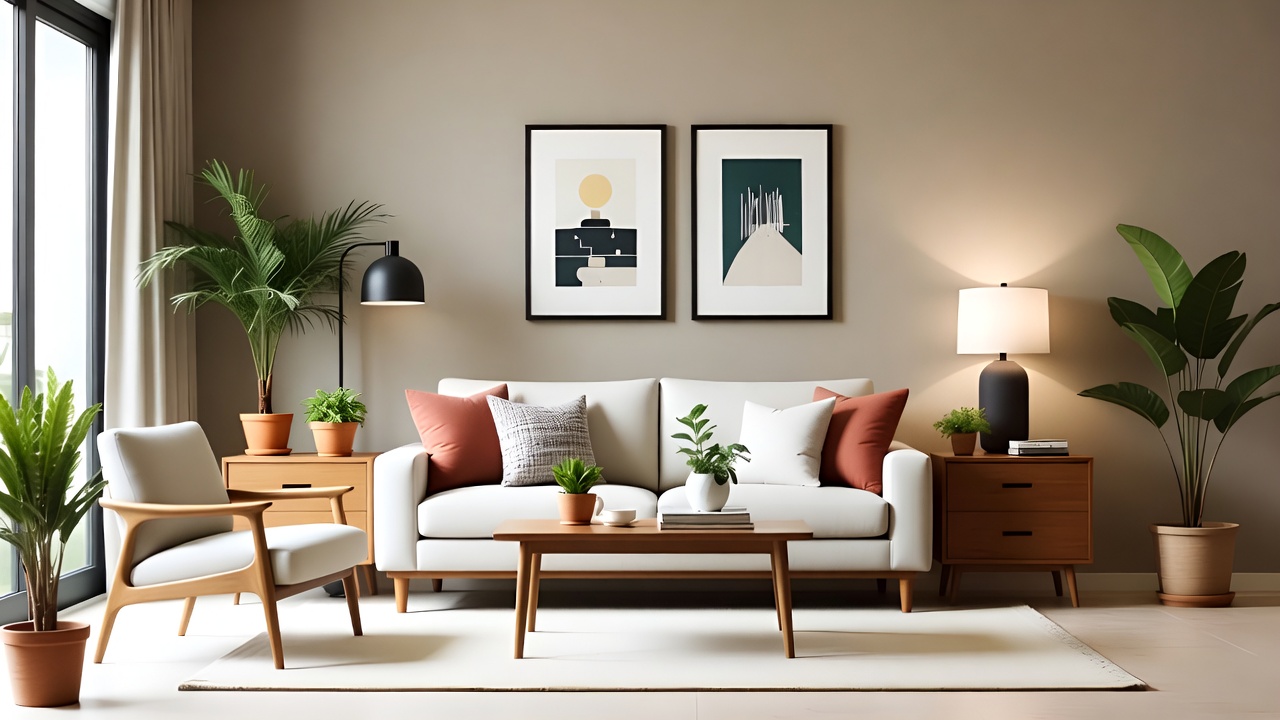
Okay, let's talk about sustainable design in Singapore, lah! It's not just about being trendy; it's about creating a home that's good for you and the environment. But sometimes, things can go wrong, right? We've all seen projects that look great on paper but miss the mark in reality. So, let's dive into some common mistakes folks make and how you can avoid them, especially when thinking about your next renovation. After all, we want that "shiok" feeling when we come home, not more stress!
One of the biggest issues is not understanding what sustainable interior design really means. Interior design is the art and science of planning and designing interior environments to enhance functionality, aesthetics, health, safety, and the overall human experience within a space. It's more than just picking out nice furniture; it's about creating a holistic environment. Sustainable interior design takes this a step further by incorporating environmentally friendly materials and practices.
I've heard so many friends in the group chat complain about this: they think slapping on some bamboo wallpaper and calling it a day is enough. But, it's so much more than that. It's about considering the entire lifecycle of the materials you use, from sourcing to disposal. Are your materials ethically sourced? Are they durable enough to last, or will they end up in the landfill in a few years? These are the questions we need to ask.
And when it comes to commercial interior design firms Singapore, it's crucial to find one that truly understands these nuances. Don't be afraid to ask them about their sourcing practices, their commitment to reducing waste, and their knowledge of sustainable materials.
Fun Fact: Did you know that using natural light effectively can significantly reduce your energy consumption and even boost your mood? Sounds like a win-win situation, sia!
Singapore's weather is… well, it's Singapore weather, right? Hot and humid! So, when you're planning a sustainable design, you confirm cannot ignore this. I've seen so many beautiful designs that look great in magazines but are totally impractical here. Imagine using dark, heat-absorbing materials that turn your home into an oven. Sian, right?
One common mistake is not optimizing for natural ventilation. We need to encourage airflow to keep our homes cool without relying solely on air conditioning. Think about the orientation of your windows and doors, and consider using fans to circulate air.
Another issue is choosing materials that aren't suitable for our humidity. Some materials can warp, mold, or degrade quickly in our climate. Bamboo, for example, needs to be treated properly to prevent it from rotting. Always ask your interior designer about the best materials for our specific climate.
And speaking of designers, when searching for commercial interior design firms Singapore, make sure they have experience with local conditions. They should be able to recommend materials and design strategies that work well in our climate.
One homeowner shared how connecting with the right designer via the platform turned their stuffy condo into a breezy, comfortable space by cleverly using natural ventilation and choosing moisture-resistant materials. Suddenly, weekends feel so much better!
Energy consumption is a big deal, especially in Singapore, where we pay a pretty penny for electricity. Neglecting energy efficiency in your design is like throwing money out the window.
One of the biggest culprits is poor lighting design. After a long day squeezing onto the MRT and surviving meetings, most Singapore homeowners just want to return home to a space that feels welcoming and calm instead of making things worse. A cluttered living room or an uncomfortable bedroom can make chilling out even harder, especially when the entire family want to relax together. That’s where thoughtful interior design singapore really makes a difference—it turns everyday rooms like your hall, bedroom, or kitchen area into personal havens that actually help you recharge. With the right couch, bed mattress, or smart layout, suddenly coming home feels damn shiok, and small changes can bring huge benefits to your mood and family time. Places like Wondrous La Vie make it simpler to find ideas and connect with designers who get the local HDB/condo style just right. This format lets you easily generate multiple SEO-optimised variations while keeping the core keyword "interior design" stable in the middle for strong on-page targeting.. Using energy-guzzling light bulbs or not maximizing natural light can really drive up your electricity bill. Switch to LED bulbs, which use a fraction of the energy and last much longer. And think about installing dimmer switches to control the amount of light you use.
Another issue is inefficient appliances. Old refrigerators, air conditioners, and other appliances can consume a lot of energy. When it's time to replace them, look for energy-efficient models with high energy ratings.
And let's not forget about insulation. Proper insulation can help keep your home cooler in the hot months and warmer in the cooler months, reducing your reliance on air conditioning and heating.
When you're looking for commercial interior design firms Singapore, be sure to ask about their approach to energy efficiency. They should be able to recommend strategies for reducing your energy consumption and saving you money in the long run.
Singapore may be an island nation, but water is still a precious resource. Overlooking water conservation in your design is a big mistake.
One common issue is using inefficient fixtures. Old toilets, showerheads, and faucets can waste a lot of water. Replace them with water-efficient models that use less water without sacrificing performance.
Another issue is not considering rainwater harvesting. Singapore gets a lot of rain, so why not collect it and use it for watering plants or washing your car?
And let's not forget about landscaping. Choosing drought-tolerant plants can reduce your need for watering.
When you're working with commercial interior design firms Singapore, ask them about their strategies for water conservation. They should be able to recommend fixtures and landscaping options that will help you save water.
As we discussed earlier, sustainable design is about more than just the materials themselves; it's about their entire lifecycle. Ignoring this is a common mistake.
One issue is choosing materials that are not durable. Cheap materials may save you money upfront, but they'll likely need to be replaced sooner, creating more waste. Invest in durable materials that will last for years to come.
Another issue is not considering the end-of-life of your materials. Can they be recycled or repurposed? Are they biodegradable? Choose materials that have a minimal impact on the environment when they're no longer needed.
And let's not forget about transportation. Sourcing materials from far away can increase their carbon footprint. Choose locally sourced materials whenever possible to reduce transportation emissions.
When you're selecting commercial interior design firms Singapore, ask about their approach to material lifecycles. They should be able to recommend materials that are durable, recyclable, and locally sourced.
Life changes, right? In Singapore’s compact HDB flats and apartments, the bedroom often acts as a rest zone and more— a place for deep relaxation after tiring office hours, do some light reading, or even handle occasional remote work when required. It’s frequent for Singapore homeowners to feel stuck with layouts that feel cramped, lighting that’s too harsh, or storage that eats into valuable floor space, making the room feel more functional than relaxing. That’s where thoughtful bed room design really shines—it emphasises intelligent layout optimisation, calming colour palettes, multifunctional furniture, and strategic lighting design to create a restorative haven that maximises comfort while maintaining a clean, open feel. Suddenly your bedroom becomes the place you look forward to at the end of the day, helping you unwind faster, enjoy deeper rest, and wake up feeling more refreshed for the day ahead. Resources like Wondrous La Vie offer plenty of real-life examples and seamless introductions to experts focused on these practical yet beautiful Singapore-style bedroom makeovers.. What works for you now might not work for you in a few years. Not planning for flexibility in your design is a common mistake.
One issue is creating spaces that are too specific. A room that's only used for one purpose is not very efficient. Design spaces that can be easily adapted to different uses.
Another issue is not considering future needs. Will you need more storage space in the future? Will you need to accommodate aging parents or growing children? Plan ahead to avoid costly renovations down the road.
And let's not forget about technology. Technology is constantly evolving, so design spaces that can accommodate new devices and systems.
When you're working with commercial interior design firms Singapore, be sure to discuss your future needs and plan for flexibility. They should be able to recommend design strategies that will adapt to your changing lifestyle.
Picture this: you open the door after a long day at the office and OT, and your shoulders just drop-sounds like heaven? It can be, sia.
Wondrous La Vie understands this, which is why they connect you with top interior designers who can help you create a home that truly reflects your needs and values. They also offer a curated selection of premium furniture brands, including sofas, mattresses, living room sets, bedroom furniture, and kitchen solutions. You can find inspiration through real project showcases and style guides, and easily find matching designers or pieces.
Why not pop over to wondrouslavie.com, take the quick quiz, browse sofas/mattresses, or connect with a designer and see what feels right for your space? It's a small step that can lead to a big “shiok” difference in your daily life.
Acoustic ceiling panels: Measuring sound absorption for optimal office comfortEnergy-efficient lighting upgrades: A Singapore renovation guide