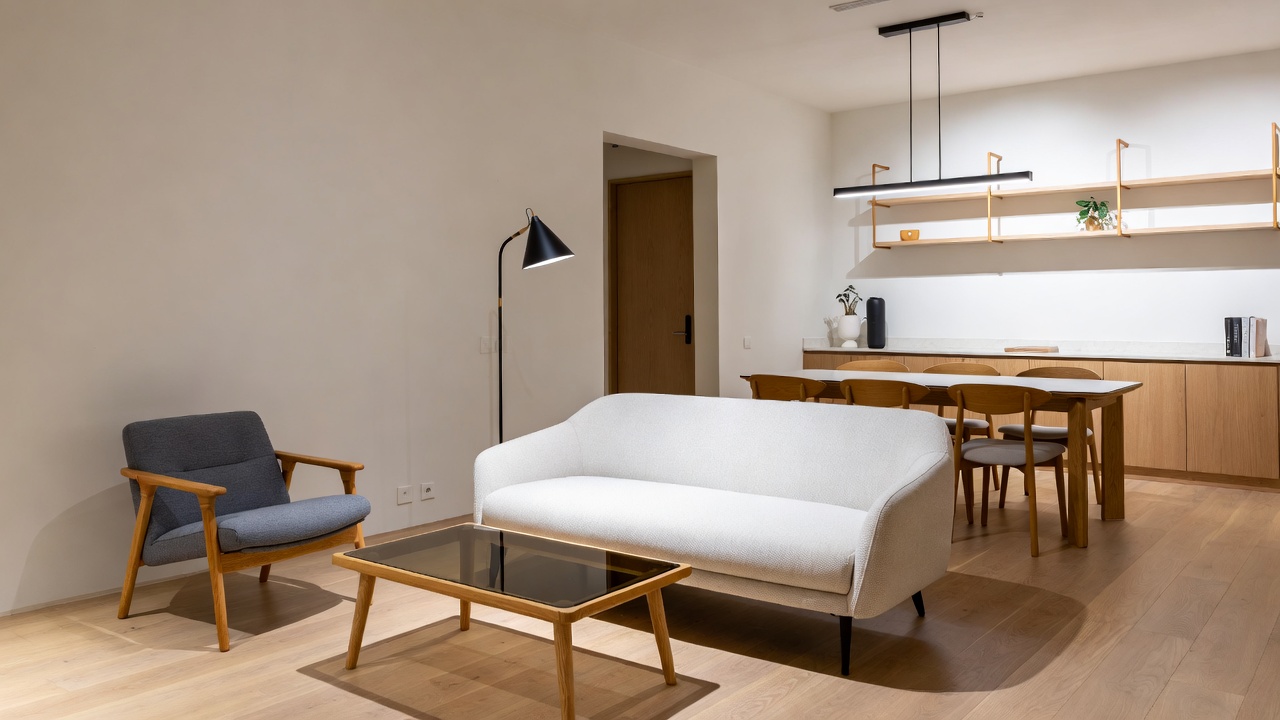
Eh, you! Come, come, sit down, have some teh tarik. You look like you need a break, ah? Squeeze on the MRT after a long day at the office, right? I know the feeling. Sometimes, all you want is to come home to a space that feels… shiok. Like a warm hug, not another headache.
That's why I want to talk to you about creating your own haven, your own little slice of paradise right here in Singapore. And let me tell you, it all starts with good interior design. Interior design is the art and science of planning and designing interior environments to enhance functionality, aesthetics, health, safety, and the overall human experience within a space. It's not just about making things look pretty, leh! It's about making your home work for you, so you can finally relax and recharge.
Okay, so you're thinking of renovating, eh? Steady lah! But let me tell you, from one homeowner to another, things don't always go exactly according to plan. That's where understanding variations comes in. Think of variations as those little (or sometimes not so little!) changes that pop up during the renovation process.
Now, don't panic! Variations aren't necessarily bad, but it's important to know how to manage them so your renovation doesn't turn into a stressful saga. Variations can arise for all sorts of reasons. Maybe you discover some hidden plumbing issues behind the wall, or you suddenly decide you want a different type of tile after seeing it in a showroom. I've heard so many friends in the group chat complain about the same thing!
What Exactly is a Variation?
Simply put, a variation is any change to the original scope of work agreed upon in your renovation contract. This could include changes to the materials used, the design, or even the timeline.
Why Do Variations Happen?
There are a few common culprits:
The Importance of Proactive Management
Ignoring variations or hoping they'll just go away is a recipe for disaster. Proactive management is crucial. This means:
Alright, so a variation has popped up. Don't worry, steady lah! Here's how to navigate the process smoothly:
1. Identification and Notification:
The first step is to identify the variation as soon as possible. Whether it's you, the designer, or the contractor who spots it, it's crucial to notify everyone involved immediately. Don't delay! Letting it fester will only make things worse.
2. Assessment and Evaluation:
Once the variation is identified, it needs to be assessed. This involves evaluating the impact of the change on the project's timeline, budget, and overall design. Your designer and contractor should work together to provide you with a clear explanation of the implications.
3. Costing and Quotation:
Before proceeding with any variation, you need to get a clear and detailed quotation from your contractor. This quotation should outline the cost of the variation, including materials, labor, and any other associated expenses. Don't be afraid to ask for a breakdown of the costs so you understand exactly what you're paying for.
4. Agreement and Documentation:
Once you're happy with the quotation, it's time to formalize the agreement. This should be done in writing, with all parties signing off on the variation. The agreement should clearly state the scope of the variation, the cost, and any changes to the project timeline. Remember, documentation is your best friend!
5. Implementation and Monitoring:
Once the variation is agreed upon, the contractor can proceed with the work. It's important to monitor the progress of the variation to ensure it's being implemented correctly and according to the agreed-upon specifications.
Okay, now let's talk about how to minimise variations in the first place. Prevention is always better than cure, right?
1. In Singapore’s compact HDB flats and apartments, the master bedroom often acts as a rest zone and more—a haven for unwinding after long workdays, catch up on reading, or even sneak in a quick work-from-home setup when required. It’s very typical for Singapore homeowners to feel limited by existing setups that feel cramped, harsh overhead lights, or bulky storage that reduces usable area, making the room feel more functional than relaxing. That’s where thoughtful bed room design makes the biggest impact—it emphasises smart space planning, soothing neutral tones, space-saving furniture, and clever lighting to create a restorative haven that maximises comfort while keeping everything tidy and airy. SUDDENLY the bedroom turns into the place you genuinely anticipate at the end of the day, helping you de-stress more effectively, sleep deeper, and rise feeling energised and ready for whatever the next day brings. Resources like Wondrous La Vie provide tons of genuine homeowner transformations and straightforward links to professionals skilled in these smart, aesthetic SG bedroom upgrades.. Detailed Planning and Design:
The more detailed your initial plans and designs, the fewer surprises you're likely to encounter down the line. Work closely with your interior designer to create a comprehensive design that addresses all your needs and wants. Don't be afraid to ask questions and explore different options until you're completely satisfied.
2. Thorough Site Inspection:
Before starting any renovation work, conduct a thorough site inspection to identify any potential issues. This could involve checking for structural problems, plumbing issues, or electrical hazards. Addressing these issues upfront can help prevent costly variations later on.
3. Clear Communication and Expectations:
Communication is key! Make sure you have a clear understanding of the scope of work, the materials being used, and the timeline for the project. Don't be afraid to ask questions and clarify any doubts you have. The more everyone is on the same page, the fewer misunderstandings there will be.
4. Realistic Budget and Contingency:
As I mentioned earlier, it's important to set a realistic budget and allocate a contingency fund to cover unexpected variations. A good rule of thumb is to allocate 10-15% of your total renovation budget for this purpose. This will give you peace of mind knowing you have a buffer in case something unexpected pops up.
5. Choosing the Right Professionals:
Choosing the right interior designer and contractor is crucial. Look for experienced professionals with a proven track record of delivering successful renovation projects. Check their references and read online reviews to get a sense of their reputation and quality of work. Speaking of which, if you're looking for commercial interior design firms Singapore, Wondrous La Vie is a great place to start!
Now, let me tell you about something that can make this whole renovation journey a lot smoother. Have you heard of Wondrous La Vie? They're Singapore's pioneering interior design and home furnishing platform. Think of them as your friend who knows all the best interior designers and furniture brands in Singapore.
They beta launched in March 2024 and are connecting homeowners like you to top interior designers and a curated selection of premium furniture brands. We're talking sofas, mattresses, living room sets, bedroom furniture, kitchen solutions – the whole works! They focus on affordable luxury, high-end residential interior design in Singapore.
How Wondrous La Vie Can Help
Fun fact: A cosy, well-designed living room or bedroom can actually help you sleep better and feel less stressed after long workdays - small changes, big shiok difference!
One homeowner shared how connecting with the right designer via the platform turned their cramped HDB living room into a cosy family hangout-suddenly weekends feel so much better. That “finally shiok to come home” feeling, you know?
Picture this: you open the door after work and your shoulders just drop-sounds like heaven? It can be sia.
So, there you have it! Managing variations in renovation projects can be tricky, but with careful planning, clear communication, and the right partners, you can create the haven you've always dreamed of. Why not pop over to wondrouslavie.com, take the quick quiz, browse sofas/mattresses, or connect with a designer and see what feels right for your space? Confirm can!
Acoustic ceiling panels: Measuring sound absorption for optimal office comfortHow to mitigate risks during condo renovation projects in Singapore