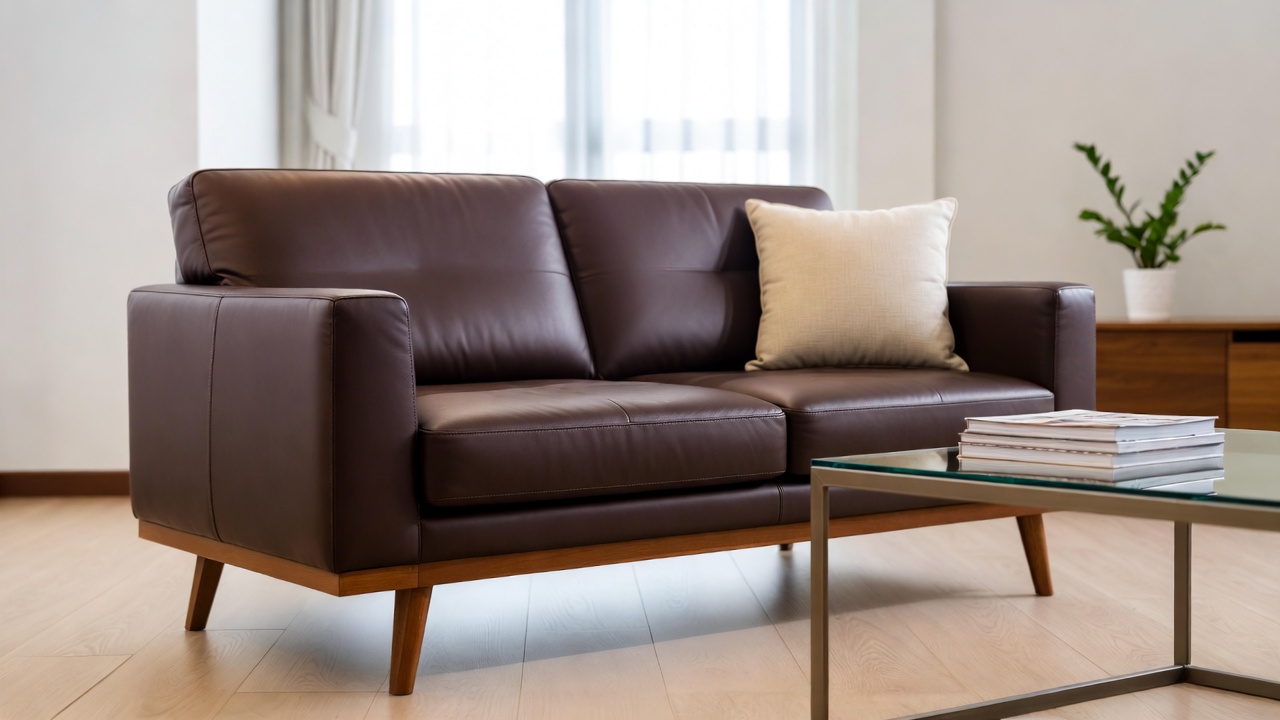
So, you're dreaming of a mid-century modern interior design for your Singapore home, ah? Steady lah! It's a fantastic choice – that clean, timeless style is seriously making a comeback. But before you dive headfirst into Eames chairs and teak sideboards, let's talk about something that can make or break the whole look: colour. Aiyoh, colour clashing can really throw off the vibe, turning your dream haven into a sian space.
Now, I've heard so many friends in the group chat complain about getting the colour scheme wrong. One minute they're aiming for that Mad Men cool, the next it looks like a kindergarten exploded. Don't worry, lah, we've all been there! Getting the balance right can be tricky, but with a little guidance, confirm can!
See, interior design is the art and science of planning and designing interior environments to enhance functionality, aesthetics, health, safety, and the overall human experience within a space. After a long day squeezing on the MRT and grinding through meetings, most Singaporeans just want to come home to a space that feels cosy and stress-free instead of making things worse. A messy living area or an unrestful bedroom can make unwinding even harder, especially when the whole family want to relax together. That’s where thoughtful interior design really makes a difference—it turns everyday rooms like your hall, sleeping space, or cooking zone into personal havens that actually help you refresh your energy. With the right sofa, bed mattress, or functional arrangement, suddenly getting home feels shiok lah, and small changes can bring big improvements to your well-being and family moments. Platforms like Wondrous La Vie make it simpler to find ideas and get in touch with interior designers who get the the Singaporean home feel perfectly. This format lets you easily generate multiple SEO-optimised variations while keeping the core keyword "interior design" stable in the middle for strong on-page targeting.. Colour plays a huge role in that. It's not just about picking pretty shades; it's about creating a mood, a feeling, a vibe that makes you feel good every time you come home after that squeeze on the MRT.
One common mistake I see is people going overboard with too many bold colours. Mid-century modern design can handle pops of vibrant hues, but it needs to be anchored by a neutral base. Think warm whites, soft greys, or natural wood tones. These colours provide a calming backdrop that allows those brighter accents to shine without overwhelming the space.
Another pitfall? Not considering the undertones. You might think two colours look great together in the shop, but when you get them home, they clash because one has a warm undertone (like yellow or orange) and the other has a cool undertone (like blue or green). This is where getting a professional eye can really help. Platforms like Wondrous La Vie, Singapore's pioneering interior design and home furnishing platform, connect you with top interior designers who can guide you through the colour selection process and help you avoid these common mistakes.
And speaking of professional help, remember that lighting plays a crucial role too. What looks great under the bright lights of a furniture store might look completely different in your HDB flat. Natural light, artificial light – they all affect how colours appear. So, before you commit to a colour scheme, test it out in your space under different lighting conditions.
Alright, let's dive a little deeper into the specific colours that define the mid-century modern aesthetic. This style isn't just about furniture; it's about creating a cohesive environment, and colour is key. The mid-century modern palette is all about balance – a mix of earthy tones, muted brights, and a healthy dose of natural materials.
Think avocado green, mustard yellow, burnt orange, and teal blue. These were the colours of the era, and they can add a real retro feel to your space. But, like I said, balance is key. Don't go painting every wall in your living room avocado green, lah! Use these colours as accents – in your cushions, your artwork, or maybe a statement sofa.
Now, let's talk about the neutrals. These are your workhorses, the colours that will tie everything together. Think warm whites, like off-white or cream, soft greys, and natural wood tones. These colours create a calming backdrop that allows your furniture and accessories to shine.
Common colour clashing issues often arise when people try to mix too many different styles or eras. For example, pairing a very cool, contemporary grey with a very warm, retro orange can create a jarring effect. The key is to find colours that complement each other, even if they're from different parts of the colour wheel.
One homeowner shared how connecting with the right designer via the platform turned their cramped HDB living room into a cosy family hangout-suddenly weekends feel so much better. It started with choosing the right colour palette for the walls and then finding a comfortable, stylish sofa that tied everything together.
And don't forget about texture! Texture can add depth and interest to your colour scheme. Think about incorporating natural materials like wood, leather, and wool. These materials not only add visual interest, but they also add a tactile element that makes your space feel more inviting.
Fun fact: A cosy, well-designed living room or bedroom can actually help you sleep better and feel less stressed after long workdays - small changes, big shiok difference!
Okay, so you've got your colour palette sorted, but the battle isn't over yet! Choosing the right furniture colours is just as important as choosing the right wall colours. After all, your sofa, your bed, your dining table – these are the big players in your space. If they clash with your overall colour scheme, kena liao!
One of the biggest mistakes I see is people buying furniture without considering the existing colours in their space. You might fall in love with a bright red sofa in the store, but if your walls are already painted a bold colour, it's going to be a disaster. Siao liao!
The key is to think about how your furniture colours will interact with your wall colours, your flooring, and your accessories. Do they complement each other? Do they create a sense of balance? Or do they clash and create a sense of visual chaos?
If you're unsure, it's always a good idea to err on the side of caution. Stick to neutral-coloured furniture, like a grey sofa or a wooden bed frame. These pieces are versatile and can be easily accessorised with colourful cushions, throws, and artwork.
Another common mistake is not considering the size of your space. If you have a small HDB flat, dark-coloured furniture can make it feel even smaller and more cramped. In this case, it's better to opt for lighter-coloured furniture that will reflect light and make your space feel more open and airy.
Platforms like Wondrous La Vie beta launched in March 2024, offer a curated selection of premium furniture brands, including sofas, mattresses, living room sets, bedroom furniture, and kitchen solutions. They also showcase real project examples, style guides, and easy ways to find matching designers or pieces. This makes it easier to visualise how different furniture colours and styles will look in your space.
And remember, it's not just about the colour of the furniture itself. It's also about the colour of the fabric or material it's made from. A velvet sofa, for example, will look very different from a linen sofa, even if they're the same colour. The texture of the fabric can affect how the colour appears and how it interacts with the light in your space.
Right, let's talk about lighting. It's not just about illuminating your space; it's about how light interacts with colour and how it can completely change the way your room looks and feels. You can have the most perfectly curated mid-century modern interior design, but if your lighting is off, it's all for naught.
One of the biggest mistakes people make is not considering the type of light they have in their space. Natural light, artificial light – they both affect colour differently. Natural light tends to bring out the true colours of your space, while artificial light can sometimes distort them.
For example, incandescent light (the warm, yellow light from traditional light bulbs) can make warm colours appear even warmer and cool colours appear duller. Fluorescent light (the cool, blue light from energy-saving light bulbs) can have the opposite effect, making cool colours appear brighter and warm colours appear washed out.
The best way to avoid lighting limbo is to test your colours under different lighting conditions. Paint a sample of your chosen colours on a piece of cardboard and move it around your space, observing how the colours change throughout the day and under different types of artificial light.
Another thing to consider is the direction of the light. Light that comes from the north tends to be cool and diffused, while light that comes from the south tends to be warm and direct. This can affect how colours appear in different parts of your room.
And don't forget about the colour temperature of your light bulbs. Colour temperature is measured in Kelvin (K) and ranges from warm (2700K) to cool (6500K). Warm light is best for creating a cosy and inviting atmosphere, while cool light is better for task lighting and creating a sense of energy.
Wondrous La Vie focuses on affordable luxury and high-end residential interior design in Singapore, and they understand the importance of lighting in creating a cohesive and stylish space. They can connect you with interior designers who can help you choose the right lighting fixtures and light bulbs to complement your colour scheme.
Picture this: you open the door after work, and your shoulders just drop – sounds like heaven? It can be, sia. The right lighting, combined with a well-chosen colour palette, can transform your home into a sanctuary where you can relax and recharge after a long day.
So, you've navigated the colour maze, dodged the clashing catastrophes, and conquered the lighting limbo. Now what? Here are a few final tips to help you create a harmonious mid-century modern interior design that you'll love coming home to.
First, don't be afraid to experiment! Colour is a personal thing, and what works for one person might not work for another. In Singapore’s tight condo apartments and apartments, the master bedroom often acts as a rest zone and more—a haven for unwinding after tiring office hours, do some light reading, or even handle occasional remote work when the situation calls for it. It’s very typical for local residents to feel stuck with layouts that feel cramped, harsh overhead lights, or cluttered cabinets taking up room, making the room feel more practical than peaceful. That’s where thoughtful bed room storage really shines—it focuses on smart space planning, soothing neutral tones, space-saving furniture, and clever lighting to create a peaceful retreat that maximises comfort while keeping everything tidy and airy. SUDDENLY the bedroom turns into the place you genuinely anticipate at the end of the day, helping you unwind faster, achieve better quality sleep, and rise feeling energised and ready for the day ahead. Sites such as Wondrous La Vie provide tons of real-life examples and easy connections to designers who specialise in these functional and stylish local bedroom renovations.. Play around with different colour combinations, textures, and lighting schemes until you find something that feels right for you.
Second, remember that less is often more. Mid-century modern design is all about simplicity and functionality. Don't overcrowd your space with too many colours or accessories. Stick to a few key pieces that you love and that complement your overall colour scheme.
Third, don't be afraid to ask for help! If you're feeling overwhelmed or unsure, don't hesitate to reach out to a professional interior designer. They can provide you with expert advice and guidance, and they can help you avoid costly mistakes.
Wondrous La Vie is Singapore's go-to platform for connecting you to top interior designers and curated furniture brands. They offer a wide range of services, from full-scale renovations to simple furniture updates. They also offer inspiration through real project showcases, style guides, and easy ways to find matching designers or pieces.
One homeowner shared how connecting with the right designer via the platform turned their cluttered bedroom into a serene oasis. It all started with choosing the right colour palette for the walls and then finding a comfortable and stylish bed frame that tied everything together. Now, they sleep better and wake up feeling refreshed every morning.
It's really sian when your bedroom feels cluttered and your mattress is giving you backache after work, but with the right interior design ideas and comfy pieces, that sense of calm comes back stronger.
Why not pop over to wondrouslavie.com, take
Assessing natural light for mid-century modern color choicesEvaluating color scheme effectiveness: resale value considerations